

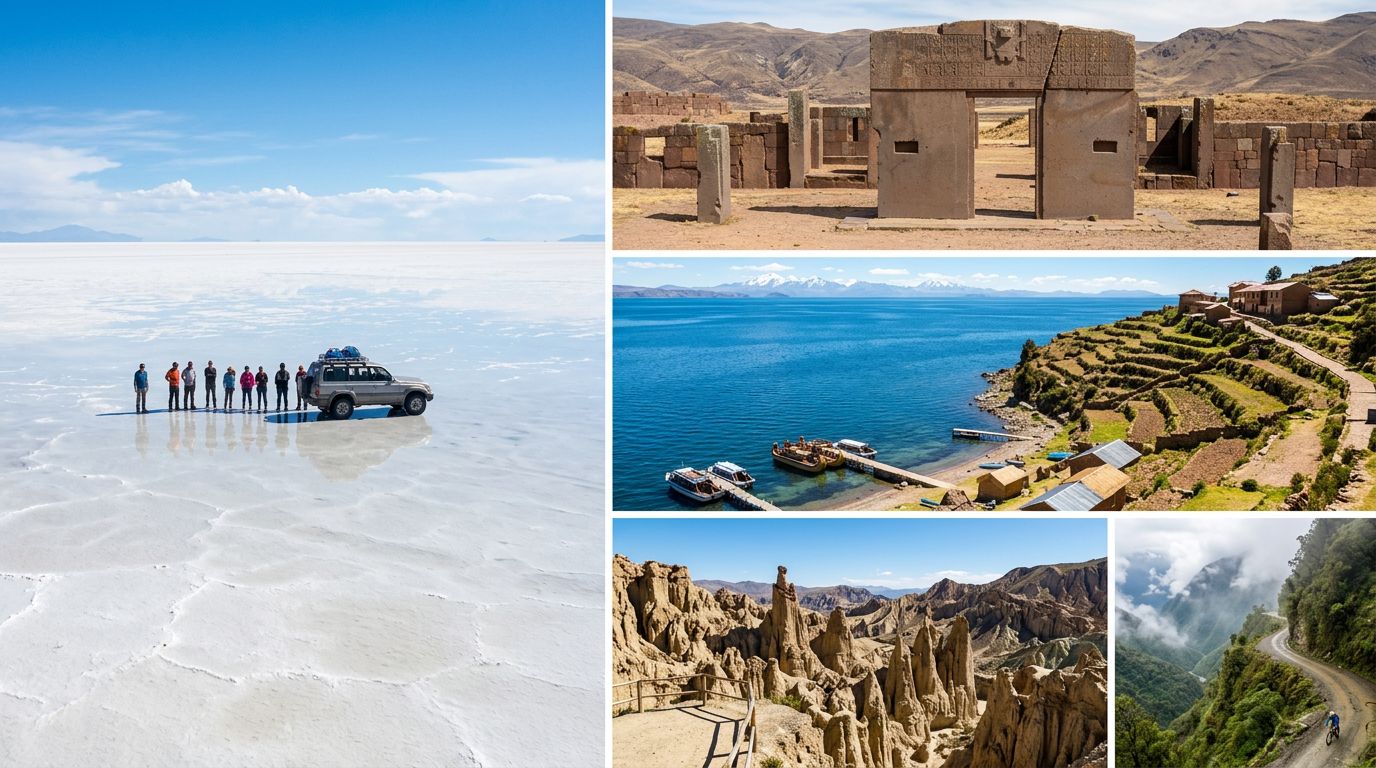
Arriving in Bolivia with Instant Connectivity
Touching down at El Alto International Airport or Viru Viru International Airport can be an overwhelming experience, especially when you are navigating high altitudes or a new language for the first time. Instead of joining the slow-moving queues at physical kiosks to purchase a local SIM card, you can arrive in Bolivia already connected. By installing your OneTapSIM eSIM while still at home on your reliable Wi-Fi, you ensure that the moment your wheels hit the tarmac, you are ready to go.
The first hour after landing is often the most stressful. You need to arrange a legitimate taxi or ride-share to your hotel, notify your host that you have safely arrived, and pull up your digital reservation details. Having an active data connection immediately allows you to bypass the confusion of airport Wi-Fi, which is often unreliable or requires a tedious registration process. With your eSIM toggled on, you can step off the plane and immediately check your messages or pull up a map to confirm your route into the city center, ensuring a smooth transition from the terminal to your accommodation.
Navigating Bolivia with Essential Data
Bolivia offers a unique landscape for the modern traveller, and your data usage will likely reflect the specific rhythm of the country. You will find that having a steady data connection is vital for using local ride-hailing services, which are often safer and more transparent than flagging down random vehicles on the street. Translation apps are also indispensable here; while many people in tourist hubs speak English, having an offline-ready translation tool for Spanish or Quechua can be a lifesaver when communicating with market vendors or rural transport drivers.
Messaging apps like WhatsApp are the primary mode of communication in Bolivia, used not just for talking to friends, but for confirming tours, contacting hostels, and even coordinating logistics with local guides. Furthermore, while cash remains king in many smaller towns, digital tools and QR-based information are becoming more common for checking bus schedules or verifying the authenticity of tourist sites. Whether you are uploading photos of the Salar de Uyuni or checking the status of a flight between La Paz and Santa Cruz, your data plan keeps you tethered to the information you need to move through South America with confidence.
Reliable Connectivity Across the Country
When you choose a travel eSIM for your trip, you want the peace of mind that comes from using established infrastructure. OneTapSIM connects through partner networks such as Tigo. By relying on these networks, you gain access to the cellular infrastructure that powers communication across Bolivia. This partnership allows you to maintain a consistent connection as you travel between the bustling urban centers of La Paz or Sucre and the more remote, breathtaking regions of the Altiplano. Having a stable connection through these networks means you are never truly disconnected from the resources that make independent travel possible.
Selecting the Right Plan for Your Journey
We offer 6 distinct plans to ensure you have the right amount of data for your specific needs, ranging from 1 GB to 20 GB. If your trip is a short city break, perhaps spending a few days exploring the markets and museums of La Paz, a smaller data allowance may be perfectly sufficient for basic messaging and map usage. For those planning a longer stay—up to 30 days—or those who intend to share their experiences with high-resolution photos and video calls, opting for a larger data allowance provides better value and prevents the need to monitor your usage constantly. Because some of our plans support mid-trip top-ups, you have the flexibility to start with a modest amount and add more if your travel plans extend or your data needs increase. Choosing the right plan is about balancing your itinerary with your digital habits, ensuring you are never left without a connection when you need it most.
Practical Tips for Dual-SIM Management
Using an eSIM alongside your physical home SIM is a straightforward process, provided you manage your settings correctly. To avoid unexpected roaming charges from your home carrier, ensure your primary SIM is set to "Voice" or "Calls" only, while your OneTapSIM eSIM is designated as the primary source for "Cellular Data." You should toggle data roaming to "On" specifically for your travel eSIM, while keeping it "Off" for your home SIM.
Remember that while you will have your own data connection, Bolivia also offers Wi-Fi in many cafes, hotels, and public plazas. Use these as a complement to your eSIM—for example, downloading large offline maps or backing up photos while you are at your accommodation—to preserve your mobile data for when you are out exploring. By keeping your home number active, you remain reachable for important SMS verifications or banking alerts, while your eSIM handles the heavy lifting of your travel data needs.


