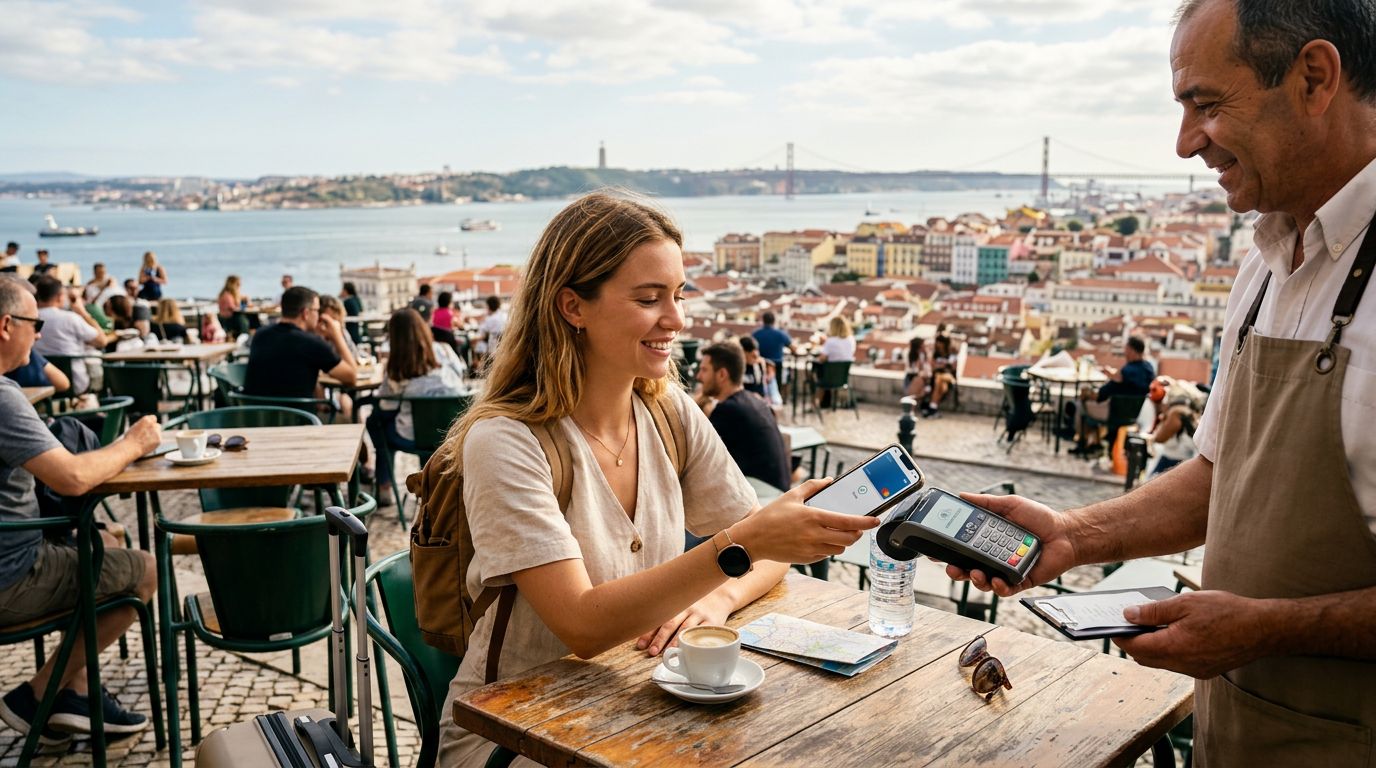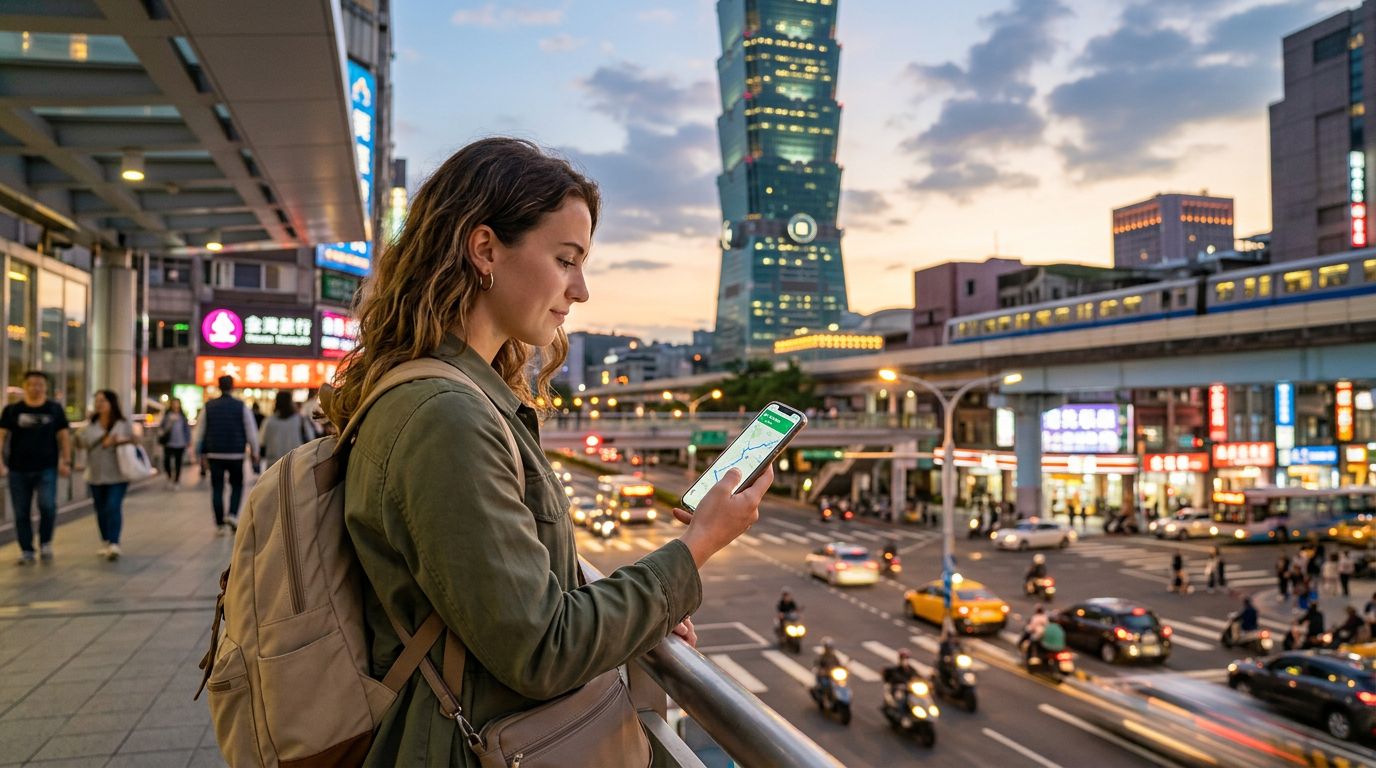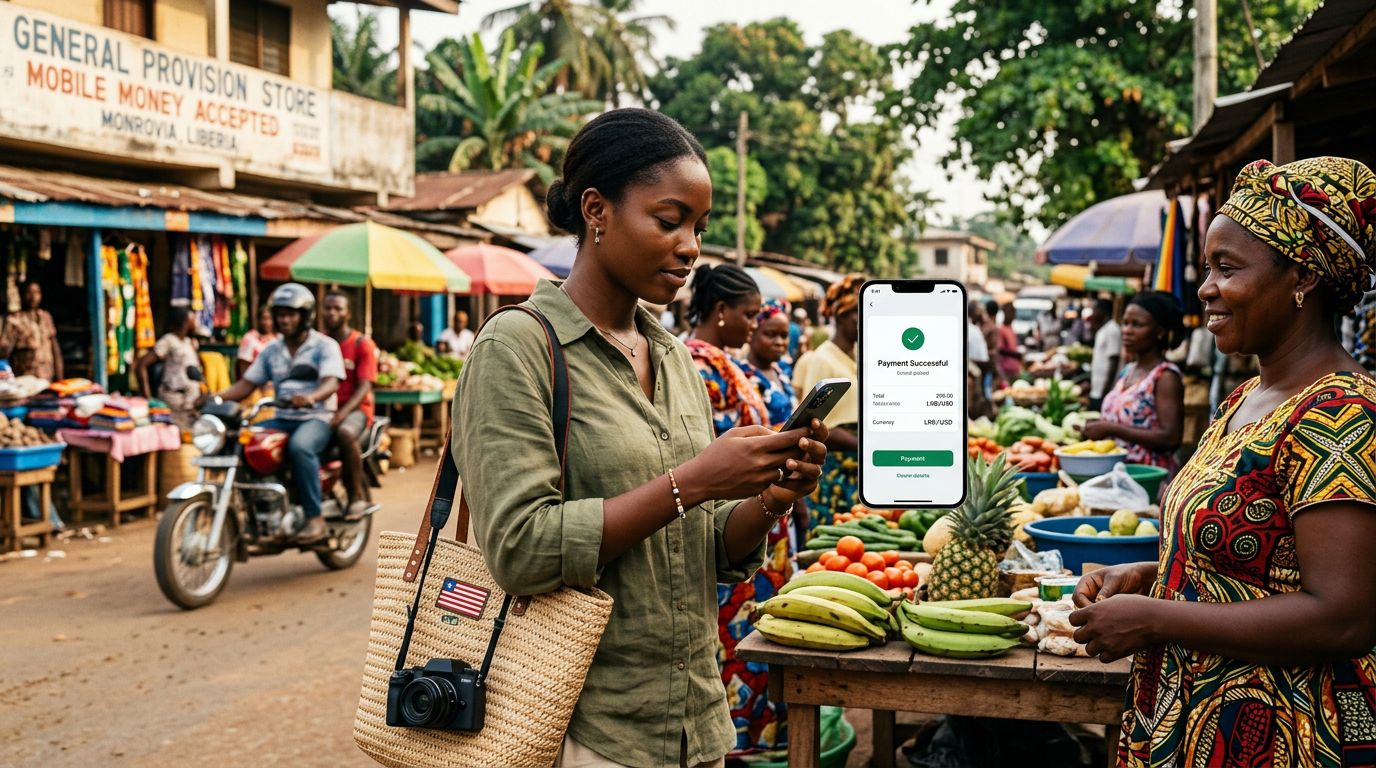
Traveling to Liberia offers a unique experience, from the bustling markets of Monrovia to the serene, untouched beaches along the Atlantic coast. As you prepare for your journey, one of the most practical concerns is how to manage your finances. While many travelers rely on cash for local transactions, the integration of digital finance is growing. Understanding the landscape of using payment apps while traveling in Liberia is essential for maintaining convenience and security during your stay.
The Reality of Digital Payments in Liberia
The financial ecosystem in Liberia is primarily cash-based, particularly when dealing with small vendors, local transport, or rural markets. However, the urban centers, especially Monrovia, have seen a significant increase in the adoption of mobile money services and digital payment platforms. Mobile money is arguably the most prevalent form of "digital" payment in the country. It allows users to transfer funds, pay for services, and settle bills directly through their mobile devices.
When you arrive, you will quickly notice that international payment apps—such as those linked to global credit card networks—are accepted mainly in high-end hotels, international restaurant chains, and larger supermarkets. For the average traveler, relying solely on a smartphone app connected to a foreign bank account can be limiting. You must balance the convenience of these apps with the necessity of carrying physical currency for everyday expenses.
To ensure your payment apps remain functional, you need a reliable internet connection. Relying on spotty hotel Wi-Fi can be risky when you are trying to complete a transaction or check your account balance. This is where a travel eSIM becomes a valuable tool. By using a service like OneTapSIM, you can maintain a consistent data connection as soon as you land, ensuring that your banking apps and mobile money platforms are accessible whenever you need them. Having a stable connection prevents the frustration of being unable to verify a transaction or access a digital wallet while on the move.
Mobile Money and Local Integration
If you plan to stay in Liberia for an extended period, or if you want to integrate more deeply into the local economy, exploring local mobile money options is highly recommended. These services are often tied to local telecommunications providers. Once you have a local SIM or a data-ready device, you can register for these services, which allow you to pay for goods and services at participating merchants throughout the country.
Using these local systems often requires a local phone number, which can be a hurdle for short-term visitors. If you are using a travel eSIM for your data needs, you might still need a physical SIM card if your device does not support dual-SIM functionality for both data and local voice/SMS. However, many modern smartphones allow you to run a data-only eSIM alongside a local physical SIM, providing the best of both worlds: high-speed data for your international apps and a local number for mobile money registration.
When using any payment app, security should be your top priority. Public Wi-Fi networks in cafes or airports are often insecure. If you are accessing your banking information, always use your own encrypted data connection. A dedicated travel eSIM provides a private, secure path to the internet, shielding your financial activity from the vulnerabilities associated with open, public networks. By keeping your data traffic private, you reduce the risk of sensitive financial information being intercepted.
Practical Tips for Financial Management
Managing your money effectively in Liberia requires a combination of preparation and flexibility. First, always carry a backup. Never rely on a single payment method. Even if you have your payment apps set up and ready to go, there will be instances where technical issues, power outages, or simple lack of infrastructure will prevent a digital transaction from going through. Physical cash remains the king of the Liberian economy.
Second, familiarize yourself with the specific apps that are popular in the region before you depart. Check if your existing banking apps allow for international travel notifications. If you do not notify your bank, they may flag your transactions as suspicious and freeze your accounts, which is a major inconvenience when you are thousands of miles from home. Having a reliable data connection via OneTapSIM allows you to receive push notifications from your bank or payment providers instantly, so you can authorize transactions or resolve security alerts in real time.
Third, keep your devices charged. Digital payments are useless if your phone battery dies. Carrying a portable power bank is a standard practice for experienced travelers. When you combine a fully charged device, a secure data connection, and a healthy supply of physical cash, you create a robust financial strategy that allows you to enjoy your trip without unnecessary stress.
Finally, remember that the digital landscape is constantly shifting. What works in Monrovia today might be different in a year. Stay observant of how locals handle their transactions. If you see people using a specific merchant app or a particular mobile money service, ask your hotel staff or local guides about it. They can provide the most current advice on which platforms are reliable.
As you explore Liberia, your focus should be on the vibrant culture, the history, and the natural beauty of the country. By handling your financial logistics with the right tools—a secure data connection, a mix of payment methods, and a bit of local knowledge—you can move through the country with confidence. Whether you are paying for a meal at a coastal resort or navigating the markets of the capital, being prepared ensures that your financial concerns stay in the background, leaving you free to enjoy your journey.
Get an eSIM for
Plans for the destinations covered in this guide, with instant QR delivery.