Understanding Your Connectivity Options in Taiwan
Planning a trip to Taiwan involves many logistical decisions, from mapping out your night market itinerary to choosing the right transportation pass. Among these, deciding how to stay connected is arguably the most important. When you arrive at Taoyuan International Airport or Songshan Airport, you are immediately greeted by kiosks offering physical SIM cards. However, the rise of digital technology has introduced a more streamlined alternative: the eSIM.
A traditional local SIM card requires you to physically swap out your home carrier’s chip. This involves finding a small pin tool, opening your phone’s tray, and carefully storing your original SIM card so it does not get lost. If you are traveling through multiple countries or simply want to keep your home number active for important SMS verifications, this process can be cumbersome.
An eSIM, or embedded SIM, functions as a digital version of a physical card. It is built directly into the hardware of modern smartphones. Instead of handling a tiny piece of plastic, you simply scan a QR code or follow a digital installation process to activate your data plan. For many travelers, this shift represents a significant improvement in convenience. Choosing between a Taiwan local SIM vs eSIM comes down to your personal comfort with technology and your specific needs for data access throughout your journey.
The Pros and Cons of Physical Local SIM Cards
Physical SIM cards have been the standard for international travel for decades. In Taiwan, the major telecommunications providers offer dedicated tourist SIMs that can be picked up right at the airport arrival halls.
The primary advantage of a local physical SIM is the familiarity of the process. You walk up to a counter, show your passport, and a staff member handles the installation for you. If you encounter any technical issues, you have a physical person to assist you on the spot. Additionally, some local SIM plans include a local phone number, which can be useful if you need to make reservations at popular restaurants or coordinate with local tour guides who prefer calling over messaging apps.
However, there are notable drawbacks. The most obvious is the physical handling of your device. If your phone case is difficult to remove or if you are worried about dropping your original SIM card in a busy airport, the process can be stressful. Furthermore, airport counters often have long queues, especially during peak arrival times. You might find yourself waiting in line for thirty minutes or more after a long flight just to get connected. There is also the risk of losing your original SIM card while it sits in your wallet or bag for the duration of your trip.
Why eSIMs Are Becoming the Preferred Choice
The eSIM technology has gained massive popularity because it removes the physical barriers to connectivity. With a service like OneTapSIM, you can purchase and set up your data plan before you even leave your home country. By the time your plane touches down in Taipei or Kaohsiung, your phone is already prepared to connect to the local network.
One of the greatest benefits of an eSIM is the ability to manage multiple profiles. You can keep your home SIM card active in your phone, allowing you to receive important calls or texts from home, while simultaneously using your eSIM for high-speed data in Taiwan. This is particularly helpful for travelers who need to maintain two-factor authentication for banking or work accounts that require a home-country phone number.
Installation is straightforward. Most modern devices from major manufacturers support this technology. You can check the official support pages from Apple or Google to confirm if your specific model is compatible. Once you have verified your device, the setup process usually takes only a few minutes. You are not tethered to a physical kiosk, and you do not need to worry about language barriers when trying to explain your data needs to a clerk at an airport counter.
Furthermore, eSIMs are environmentally friendly. By eliminating the need for plastic cards, packaging, and shipping, you reduce your travel footprint. From a security standpoint, an eSIM cannot be physically stolen or removed from your phone. If your device is lost, the digital profile remains tied to your hardware, which can be a layer of protection compared to a physical card that can be easily swapped into another device.
Making the Right Decision for Your Taiwan Adventure
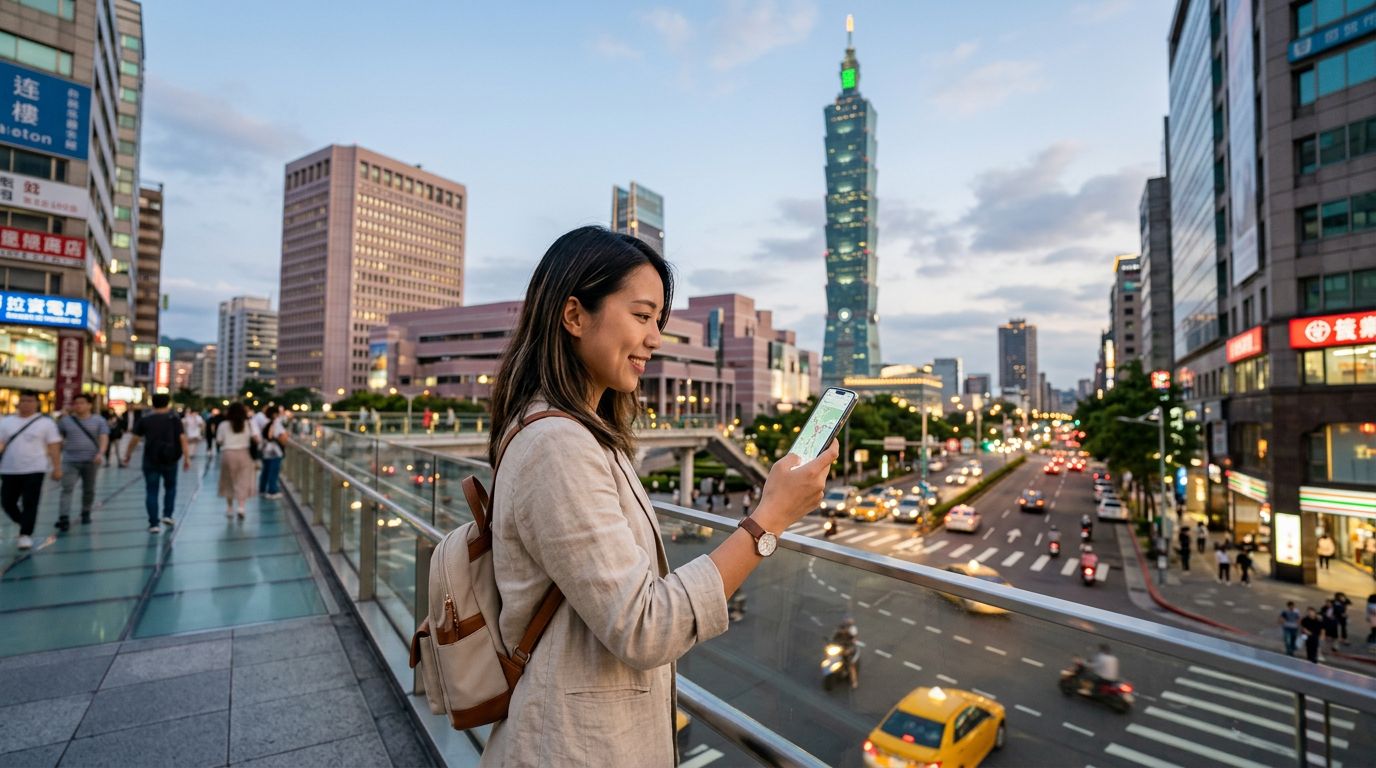
When weighing Taiwan local SIM vs eSIM, consider your travel style. If you are a minimalist traveler who values efficiency and wants to avoid airport lines, the eSIM is the clear winner. It allows you to land, turn on your phone, and immediately use maps, translation apps, and ride-sharing services without any extra steps.
If you are someone who prefers face-to-face interaction and feels more comfortable having a physical object to hold, a local SIM card remains a reliable choice. Just be sure to bring a small container or a dedicated slot in your wallet to keep your home SIM safe. Also, remember that you will need to present your passport at the airport counter, as Taiwan requires registration for all local mobile services.
For those who prioritize a seamless experience, OneTapSIM offers a reliable way to stay connected without the hassle of physical hardware. By preparing your connectivity in advance, you gain more time to enjoy the vibrant culture, delicious street food, and stunning landscapes that Taiwan has to offer. Whether you choose the traditional route or the digital path, the most important thing is to ensure you have a reliable connection to navigate your trip with confidence.
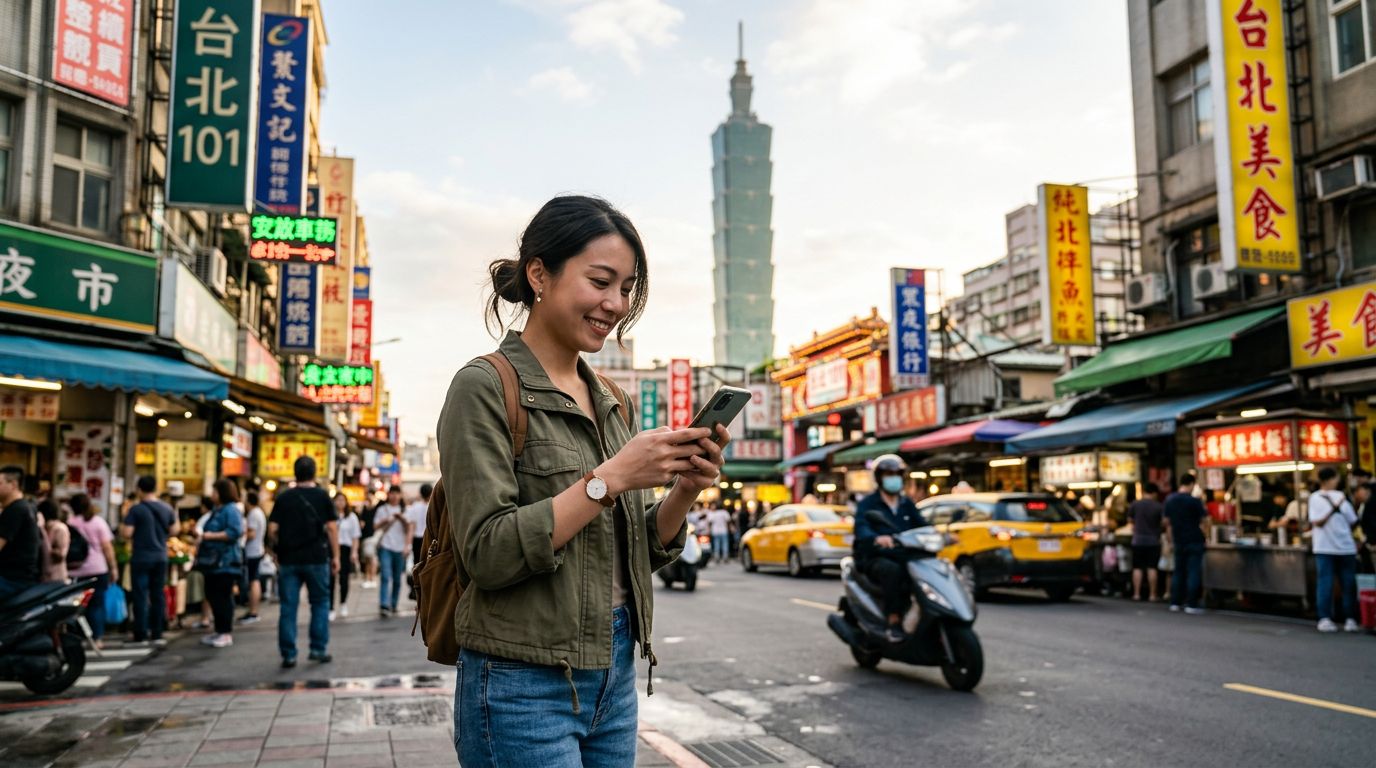
As you prepare for your departure, take a moment to check your phone settings. Ensure your device is carrier-unlocked, as this is a requirement for using any non-home-carrier SIM or eSIM. Once you have confirmed your device compatibility and selected your preferred method, you can focus on the excitement of your upcoming trip, knowing that your digital connection is handled. Taiwan is a country that is incredibly easy to navigate with a smartphone in hand, and having the right data plan will ensure you can find your way through the bustling night markets and serene mountain trails with ease.