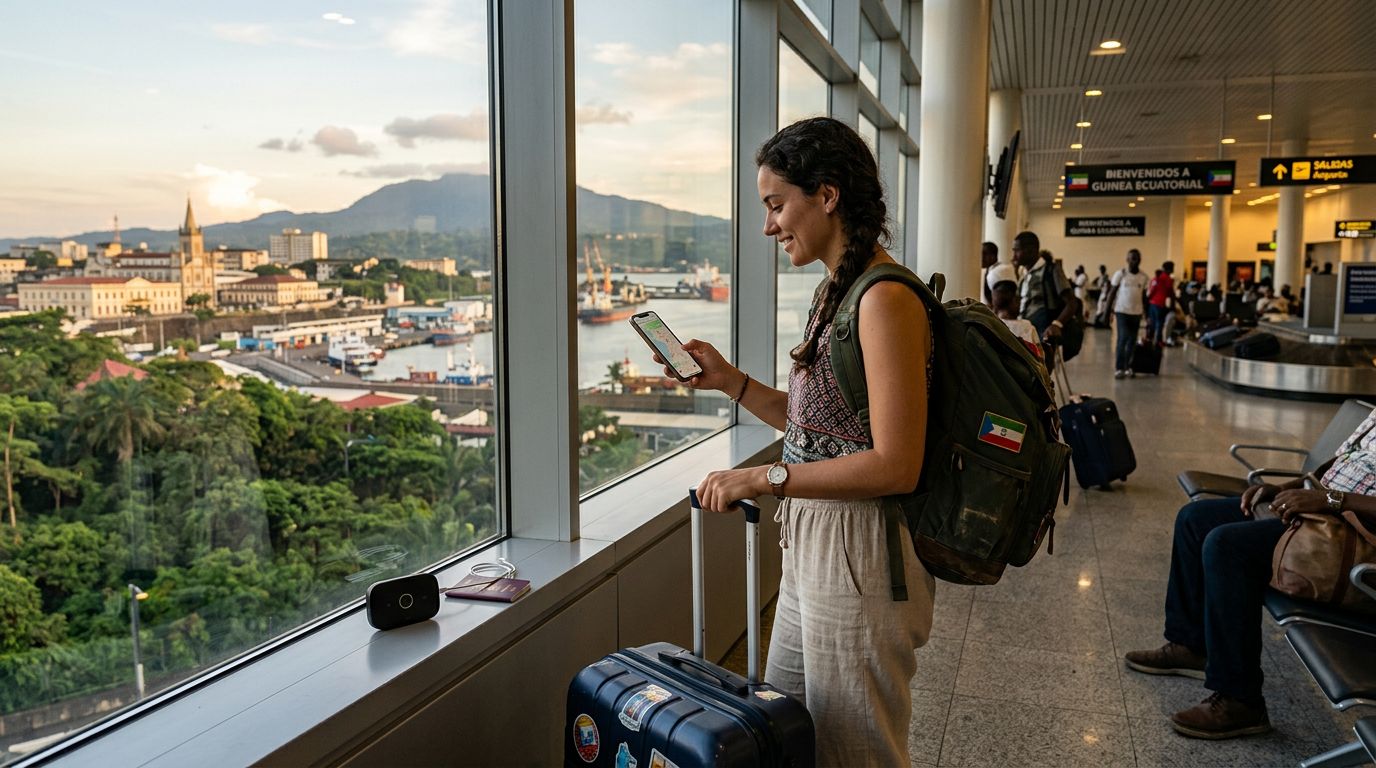
Equatorial Guinea is a destination of striking landscapes, ranging from the volcanic peaks of Bioko Island to the lush rainforests of the mainland. Whether you are visiting Malabo for business or exploring the biodiversity of Monte Alen National Park, staying connected is essential for safety, navigation, and sharing your experiences. When planning your trip, you will likely weigh the options between a traditional pocket WiFi device and a modern eSIM. Understanding the practical differences between these two technologies is the first step toward a stress-free journey.
The Practical Differences Between Pocket WiFi and eSIM
A pocket WiFi device, often called a mobile hotspot, is a small, standalone piece of hardware that acts as a bridge between a local cellular network and your devices. To use one in Equatorial Guinea, you typically rent the device from a provider, carry it in your bag, and ensure it remains charged throughout the day. It creates a private wireless network that you, and potentially your travel companions, can connect to.
An eSIM, or embedded SIM, is a digital version of a physical SIM card. It is built directly into the hardware of modern smartphones and tablets. Instead of swapping out a plastic chip, you activate an eSIM by scanning a QR code or installing a profile directly on your device. Once activated, your phone connects to local networks in Equatorial Guinea just as if you had purchased a local SIM card, but without the physical hassle.
The primary distinction is convenience. A pocket WiFi unit adds bulk to your luggage. You must manage its battery life, carry a charging cable, and ensure the device stays within range of your phone. If you lose the device or it runs out of power, you lose your internet connection. An eSIM, by contrast, lives inside your phone. As long as your phone is charged, your connectivity remains active, allowing you to move freely without worrying about extra equipment.
Why eSIMs Are Often Preferred for Equatorial Guinea
For most travelers, the eSIM has become the superior choice for international trips. The primary advantage is the seamless setup process. With a service like OneTapSIM, you can purchase and install your data plan before you even board your flight. As soon as you land at Malabo International Airport, your phone automatically switches to the local network, providing immediate access to maps, ride-sharing apps, and messaging services.
Security is another factor that favors the eSIM. When you use a pocket WiFi, you are broadcasting a signal that others could potentially attempt to access. While most devices are password-protected, the physical nature of the hotspot makes it a target for theft or accidental loss. An eSIM is locked to your specific device, meaning there is no hardware to leave behind in a taxi or a cafe.
Furthermore, managing your data usage is significantly easier with an eSIM. Most modern smartphones allow you to track your consumption in the settings menu. If you find yourself running low on data, you can often top up your plan through an app or a website without needing to visit a physical store or return a rented device. This level of autonomy is invaluable in a country where retail infrastructure for tech rentals may be limited or difficult to find for a short-term visitor.
Considerations for Your Connectivity Strategy
While the eSIM is generally the more convenient option, there are a few technical requirements to consider. First, your smartphone must be carrier-unlocked. If your device is locked to a specific home network, it will not be able to recognize an international eSIM profile. You should check with your home provider before your trip to ensure your device is compatible.
Second, you must ensure your phone is eSIM-capable. Most flagship devices released in the last few years support this technology, but it is always wise to check your specific model’s specifications through official manufacturer resources. If you are using an older device that lacks eSIM support, a pocket WiFi remains a viable alternative, though it requires more logistical planning.
Another point to consider is the coverage area. Equatorial Guinea’s geography can be challenging for cellular signals, particularly in dense rainforest or remote coastal areas. Regardless of whether you choose an eSIM or a pocket WiFi, you are ultimately relying on the local cellular infrastructure. An eSIM typically allows you to connect to the strongest available local network, providing a reliable experience as you travel across the country.
When choosing a provider, look for transparency and ease of use. OneTapSIM focuses on providing clear instructions and reliable data packages that help travelers avoid the common pitfalls of international roaming. By opting for an eSIM, you eliminate the need to hunt for a rental kiosk upon arrival or deal with the stress of returning equipment before your departure.
Ultimately, the choice between these two methods comes down to your priorities. If you value minimalism and want to avoid carrying extra gear, the eSIM is the clear winner. It allows you to focus on the sights and sounds of Equatorial Guinea rather than managing a secondary piece of hardware. By preparing your digital connection in advance, you can step off the plane with confidence, knowing your phone is ready to guide you through your adventure.
Get an eSIM for
Plans for the destinations covered in this guide, with instant QR delivery.