The Evolution of International Communication
For decades, travelers relied on a physical phone card for overseas calls to manage their communication needs while abroad. These cards were a staple of the international travel experience, requiring users to find a public payphone, dial an access number, input a lengthy PIN, and then finally enter the destination number. While they served a purpose in a time before mobile data became ubiquitous, they were often plagued by hidden connection fees, confusing expiration dates, and the physical inconvenience of carrying a fragile piece of plastic.
The landscape of global connectivity has shifted dramatically. Today, the reliance on legacy systems like traditional prepaid cards has faded as technology has moved toward integrated, software-based solutions. Modern travelers now prioritize convenience, speed, and reliability. Instead of searching for a kiosk to buy a card or hunting for a functional payphone in a foreign city, users now expect their connectivity to be ready the moment they step off the plane.
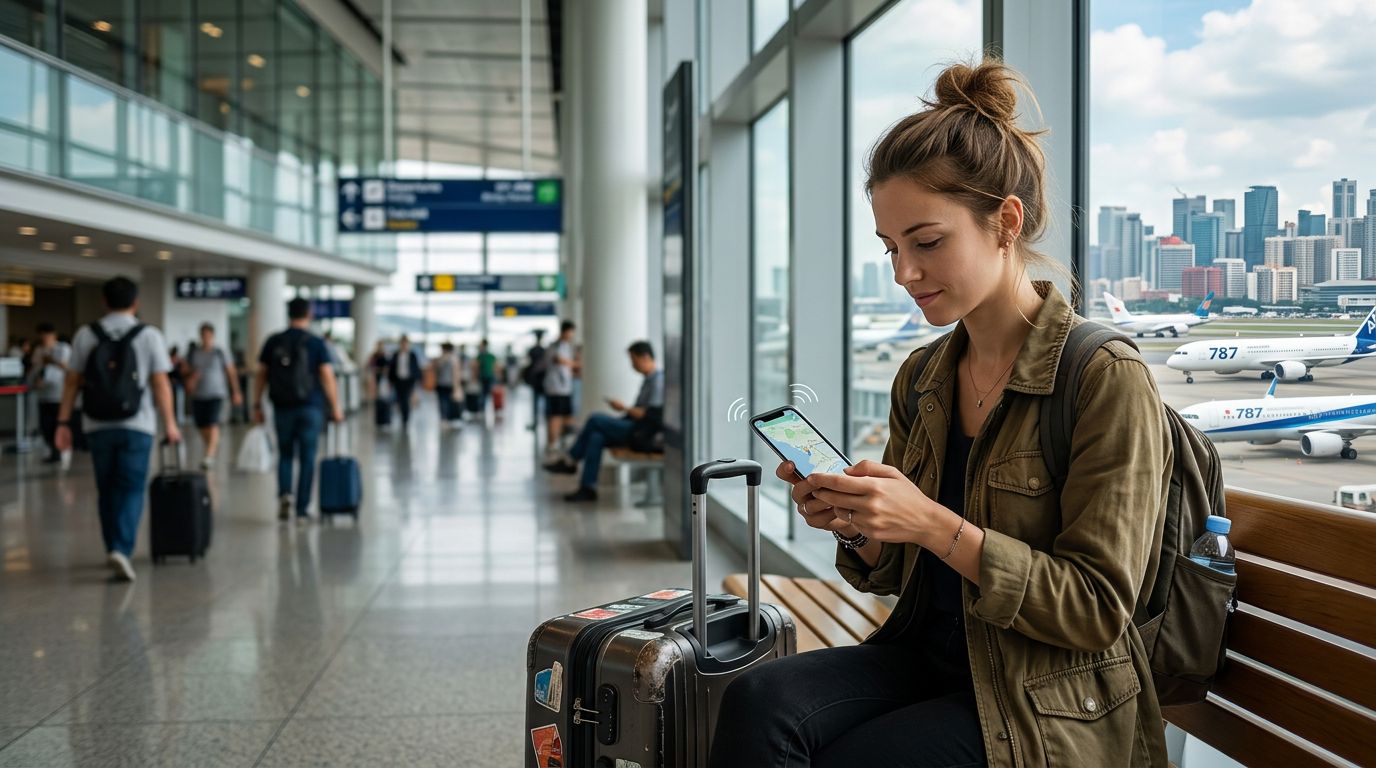
This shift is largely driven by the adoption of eSIM technology. By moving away from physical hardware that can be lost or damaged, travelers can now manage their mobile service directly through their phone’s settings. This transition has made the old-fashioned phone card for overseas calls feel like a relic of the past, replaced by seamless, digital-first alternatives that integrate directly into the hardware most people already carry.
Why eSIMs Are Replacing Traditional Phone Cards
The primary advantage of moving from a physical phone card to an eSIM is the elimination of friction. When using a traditional card, you are restricted by the limitations of the network provider associated with that card. You often have to deal with poor call quality, dropped signals, or the frustration of a card running out of credit exactly when you need to make an urgent call.
An eSIM, by contrast, acts as a digital SIM card that allows you to connect to local mobile networks directly. Because the service is provisioned over the air, you are not tethered to a specific international calling plan that requires manual activation. Instead, you gain access to local data networks, which allows you to use internet-based communication tools. Whether you are using messaging apps, video calling platforms, or voice-over-IP services, you are utilizing the high-speed data infrastructure of the country you are visiting rather than relying on the circuit-switched networks that older phone cards utilized.
OneTapSIM exemplifies this modern approach by providing a streamlined interface for travelers to acquire mobile data without the need for physical SIM swaps or legacy calling cards. By leveraging the built-in eSIM capabilities of modern smartphones, travelers can maintain their primary number for essential texts or calls while using a secondary eSIM for reliable, high-speed data. This dual-SIM configuration ensures that you are never left without a connection, providing a level of reliability that a traditional phone card simply cannot match.
Furthermore, the environmental impact and the sheer logistics of physical cards make them increasingly obsolete. There is no longer a need to manage physical inventory, worry about card theft, or deal with the degradation of magnetic strips. Everything is handled through a secure, encrypted digital process that ensures your connection is ready before you even leave home.
Choosing the Right Connectivity Solution for Your Travels
When preparing for an international trip, the goal should be to minimize the time spent managing your phone service and maximize the time spent enjoying your destination. To choose the best alternative to a phone card for overseas calls, consider your specific usage patterns.
If you are a light user who only needs to check maps and send the occasional email, a simple data-only eSIM is often the most cost-effective and efficient route. If you are a business traveler who needs to stay reachable via voice calls, you might look for options that support data-heavy applications that facilitate clear, high-quality voice communication.
The setup process for these modern alternatives is remarkably straightforward. Most modern devices from major manufacturers support eSIM functionality, which can be verified through your device’s settings menu. Once you confirm your device is unlocked and eSIM-compatible, you can download a profile, activate it, and gain instant access to local networks. This removes the "middleman" of the phone card provider, allowing you to connect directly to the infrastructure that matters.
Reliability is another critical factor. Traditional phone cards often suffered from routing issues, where calls would be bounced through multiple international gateways, resulting in significant latency or "echo" on the line. By using a modern data-based approach, you are effectively using the same high-quality data pathways that local residents use. This provides a consistent experience that is far superior to the grainy, unreliable connections associated with older calling technologies.
Finally, consider the flexibility of the service. With a traditional phone card, you were often locked into a specific provider's rate structure. With digital eSIM solutions, you can choose plans that fit your specific trip duration, whether you are away for a weekend or a month. This modular approach allows you to scale your connectivity based on your itinerary. By opting for services like OneTapSIM, you gain the benefit of a user-friendly platform that prioritizes ease of installation and stable network performance, ensuring that your focus remains on your journey rather than on troubleshooting your mobile service.
As you plan your next international excursion, remember that the tools of the past are no longer necessary to stay connected. The integration of eSIM technology into our daily devices has simplified the process of traveling abroad, making the search for a phone card for overseas calls a thing of the past. Embrace the convenience of a digital-first approach and enjoy the peace of mind that comes with reliable, high-speed connectivity anywhere in the world.