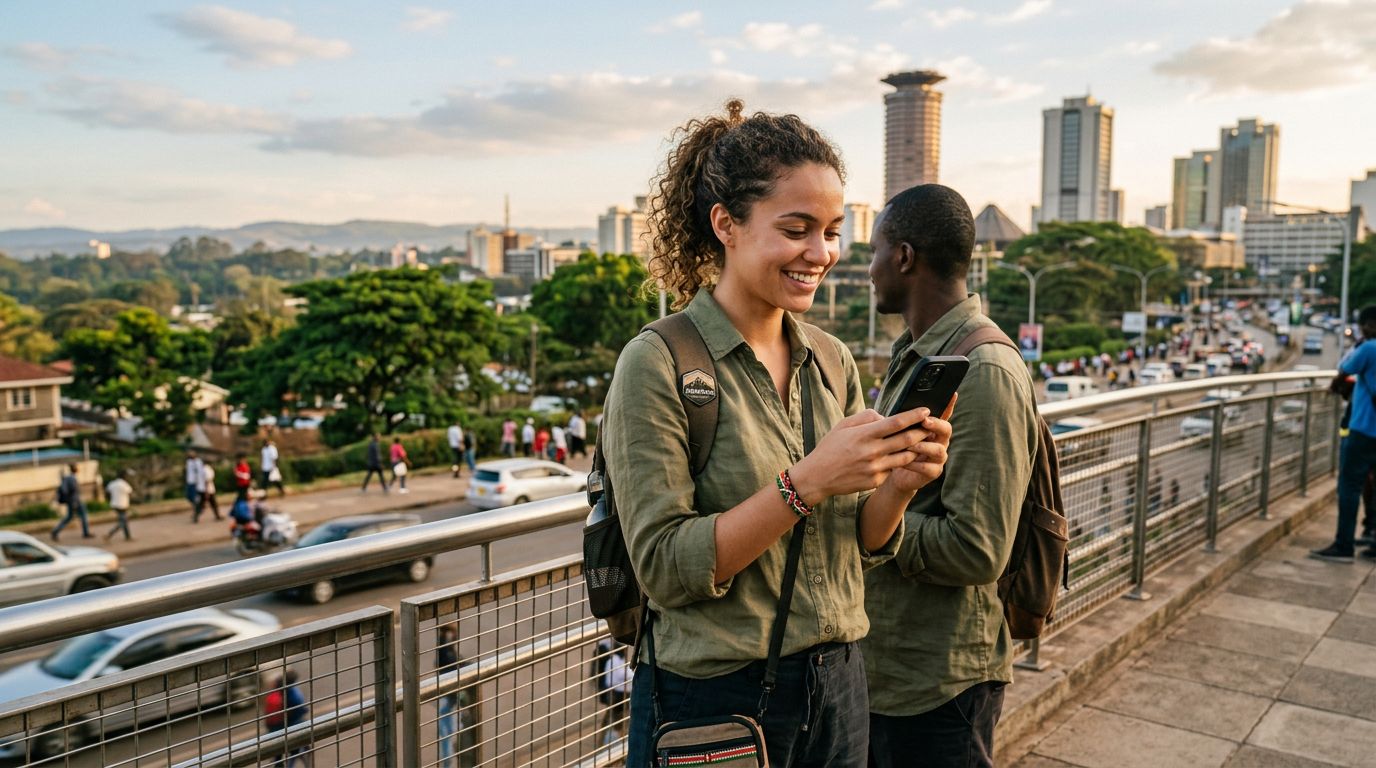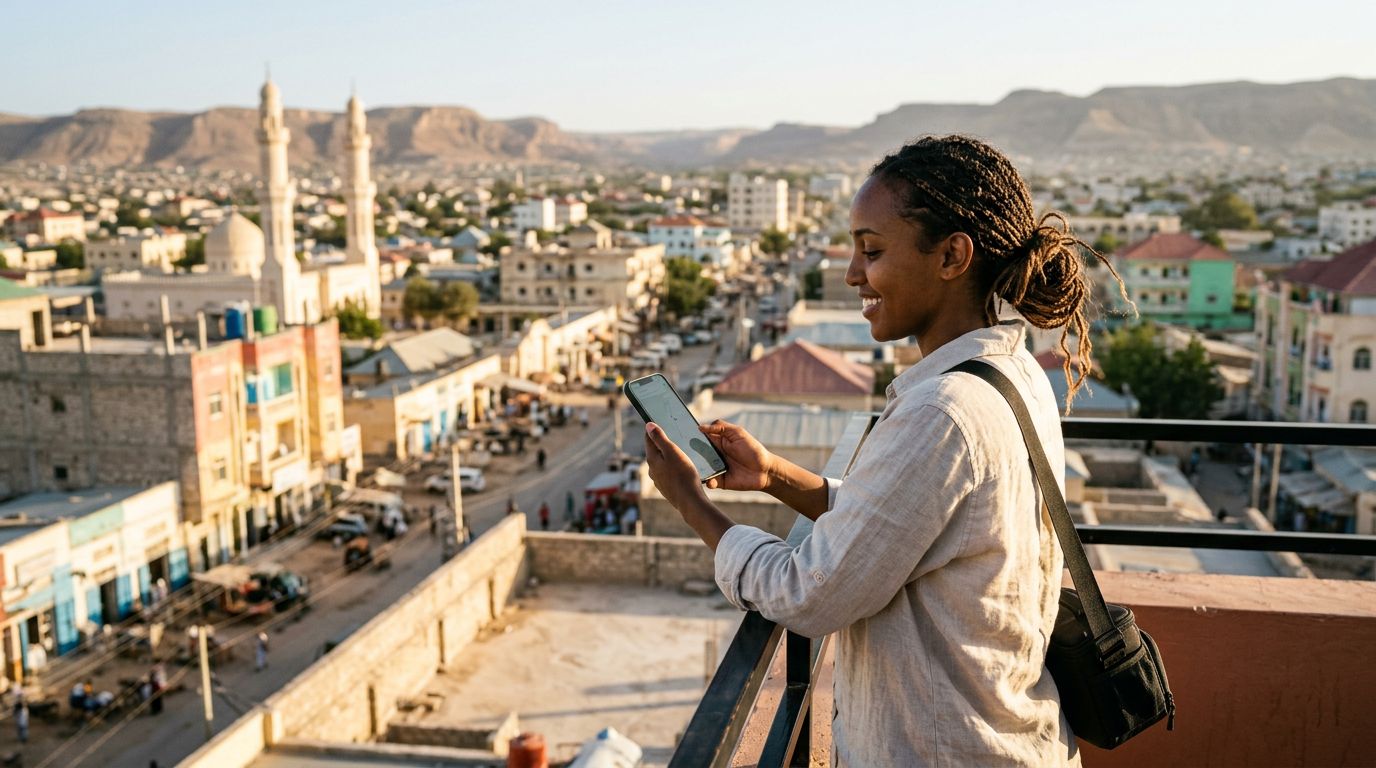
Traveling to the Horn of Africa brings unique challenges, especially when it comes to staying connected. Whether you are heading to Mogadishu for business or exploring the coastal beauty of the region, having a reliable internet connection is essential for navigation, communication, and safety. Many travelers ask the same question: does eSIM work in Somalia? The short answer is yes, but understanding how the technology functions in this specific environment is key to a smooth experience.
Understanding eSIM Technology in Somalia
An eSIM, or embedded SIM, is a digital version of the physical plastic cards we have used for decades. Instead of inserting a chip into your phone, you download a data profile that allows your device to connect to local cellular networks. This technology has revolutionized international travel because it removes the need to hunt for local kiosks or swap out your home SIM card, which carries the risk of loss or damage.
In Somalia, the telecommunications infrastructure has grown significantly over the last few years. While physical SIM cards from local providers remain the traditional standard, the adoption of eSIM technology is becoming increasingly accessible for international visitors. When you use a service like OneTapSIM, you are essentially leveraging these local network partnerships through a digital interface. The eSIM acts as a bridge, allowing your smartphone to register on local towers as if you were a local resident, providing you with data access without the roaming fees typically charged by home carriers.
To use an eSIM, your smartphone must be carrier-unlocked. This is the most common hurdle for travelers. If your phone is locked to a specific provider in your home country, it will not accept an eSIM profile from another source. Before your trip, check your device settings or contact your home carrier to ensure your phone is eligible for international use. Once confirmed, the process is straightforward: you receive a digital profile, scan a QR code or enter activation details, and your phone connects to the network once you land.
Why Choose an eSIM for Your Somali Trip
The primary benefit of using an eSIM in Somalia is the convenience of instant activation. Traditionally, travelers arriving at an airport would have to find a vendor, present identification, and wait for a manual activation process. With an eSIM, you can purchase and install your data plan before you even board your flight. As soon as you land and turn off airplane mode, your phone will search for the network and connect automatically.
Another major advantage is the ability to keep your primary number active. Because modern smartphones allow you to keep two SIMs active simultaneously—your physical home SIM and your digital eSIM—you can continue to receive important SMS messages or calls from home while using your eSIM for data. This is particularly useful for two-factor authentication codes or urgent messages from family. Simply set your eSIM as the primary source for cellular data in your phone settings, and you can keep your home line on standby for voice calls or texts.
Reliability is also a significant factor. Local networks in Somalia provide extensive coverage in urban centers like Mogadishu, Hargeisa, and Bosaso. By using a reputable provider like OneTapSIM, you ensure that your device is configured to connect to the most stable network available in your specific area. This setup minimizes the frustration of searching for public Wi-Fi, which can be inconsistent, insecure, or entirely unavailable in many locations. Having your own private, secure data connection is a major upgrade for any traveler.
Practical Tips for Connectivity Success
Before you leave, there are a few technical steps to ensure your eSIM functions perfectly. First, verify that your specific smartphone model supports eSIM technology. Most flagship devices released in the last few years from major manufacturers are compatible, but it is always wise to check the official support pages for your device brand to be certain.
Once you have confirmed compatibility, manage your data usage wisely. While eSIM plans are designed to provide sufficient data for maps, messaging, and web browsing, streaming high-definition video or downloading large files can consume your data allowance quickly. If you find yourself needing more, you can often add data through your account portal, but being mindful of your consumption will help you stay connected throughout your entire journey.
When you arrive in Somalia, if your phone does not connect immediately, do not panic. First, ensure that "Data Roaming" is toggled "On" for your eSIM profile. This is a common point of confusion; even though you are using a local-style eSIM, the phone treats the connection as a roaming data service. If it still does not connect, toggle airplane mode on and off to force the device to re-scan for available towers.
Finally, keep your original physical SIM card safe. Even though you are relying on your eSIM for data, your home SIM is still your primary link to your home network. Store it in a secure place, such as a travel wallet or a dedicated SIM card holder, so you can easily swap it back once your trip concludes. By preparing your device in advance and understanding how to manage your network settings, you can enjoy the freedom of mobile connectivity throughout your visit to Somalia. Using a specialized service like OneTapSIM simplifies this entire process, allowing you to focus on your trip rather than the logistics of staying online. Whether you are navigating the streets of a bustling city or visiting historical sites, having a reliable digital connection ensures that you are never truly out of reach.
Get an eSIM for
Plans for the destinations covered in this guide, with instant QR delivery.